what occurs during the g1 phase of the cell cycle Introduction to the cell cycle
Today, I want to talk about an important topic in biology - cell division and the cell cycle. Cell division is an essential process for the growth and development of living organisms. It allows cells to reproduce and replace damaged or old cells. The cell cycle, on the other hand, refers to the series of events that take place in a cell leading to its division and the production of two daughter cells.
Understanding the Cell Cycle:
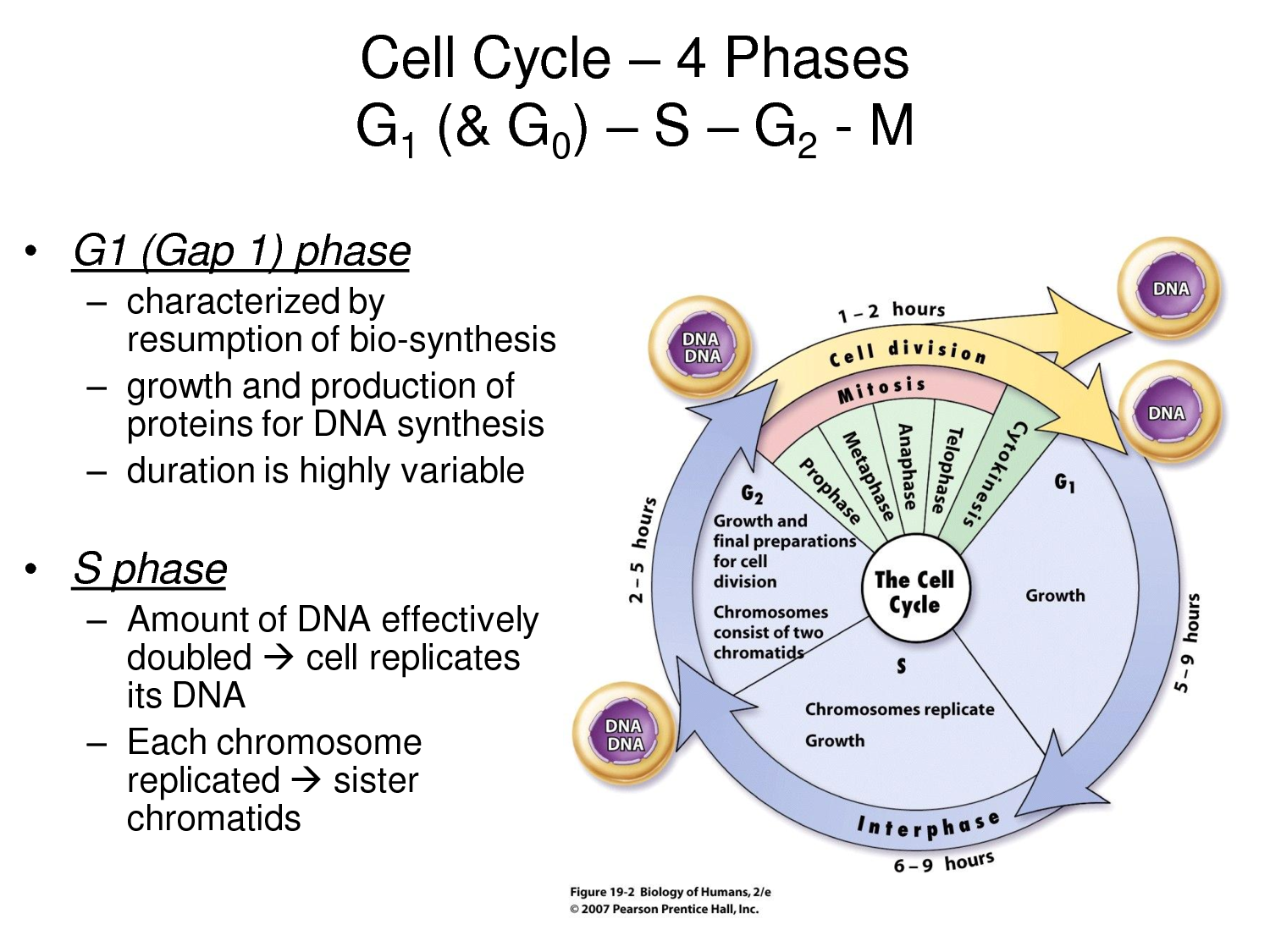 The cell cycle consists of four main phases: G1 (Gap 1), S (Synthesis), G2 (Gap 2), and M (Mitosis). During the G1 phase, the cell grows in size, duplicates its organelles, and prepares for DNA replication. The S phase is where DNA synthesis takes place, resulting in the replication of genetic material. The G2 phase follows DNA replication and prepares the cell for mitosis. Finally, the M phase involves the actual division of the cell into two daughter cells.
Importance of Cell Cycle Regulation:
Cell cycle regulation is crucial to ensure the proper growth and development of an organism. It helps in maintaining the balance between cell division and cell death. Any abnormalities in the cell cycle control mechanisms can lead to serious consequences, including the development of diseases such as cancer. Thus, understanding the regulation of the cell cycle is of utmost importance in the field of biology.
Visualizing the Cell Cycle:
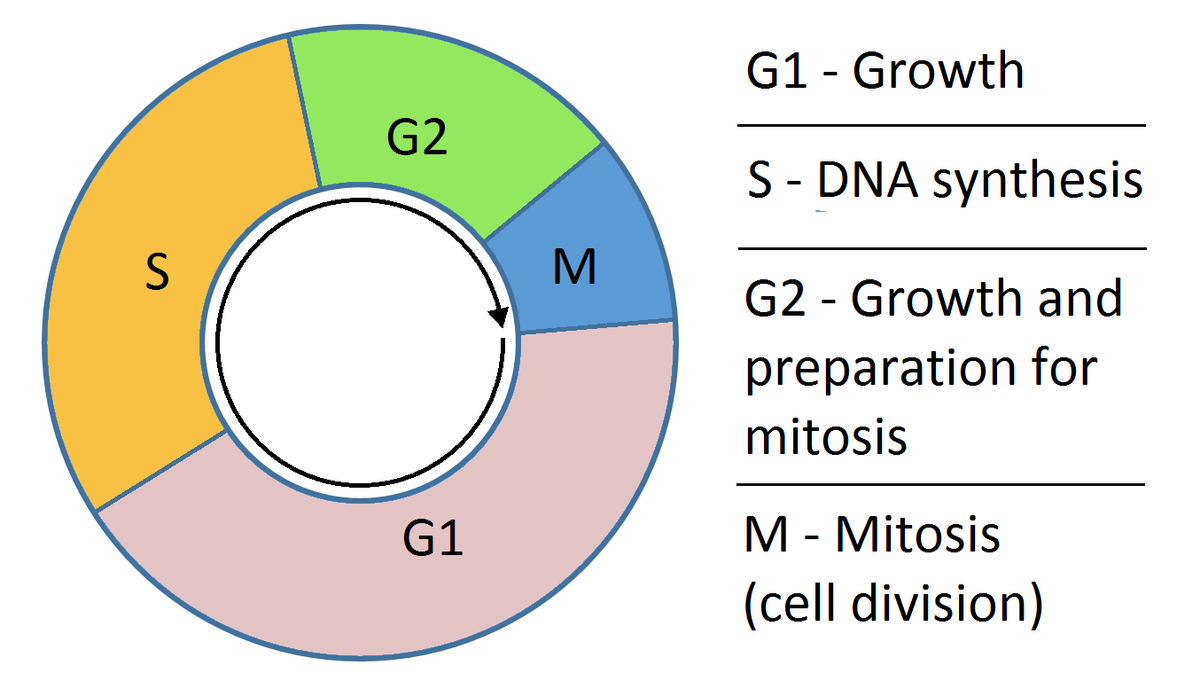 In order to have a better understanding of the cell cycle, let’s take a look at a neat labelled diagram. The diagram illustrates the different stages of the cell cycle, highlighting the key events that occur during each phase. This visual representation can help us grasp the concept more easily.
Conclusion:
Cell division and the cell cycle are fundamental processes in biology. They play a vital role in the growth, development, and maintenance of living organisms. By understanding the different phases of the cell cycle and their regulation, scientists can gain valuable insights into the mechanisms underlying various diseases, including cancer. So, the next time you observe something as simple as a cell dividing, remember the complexity and significance behind this amazing biological process.
If you are searching about Cell Cycle Checkpoints | Biology for Non-Majors I you’ve came to the right place. We have 5 Images about Cell Cycle Checkpoints | Biology for Non-Majors I like Cell Cycle Checkpoints | Biology for Non-Majors I, G1 STAGE OF CELL CYCLE | INTERPHASE OF CELL CYCLE | CELL BIOLOGY - YouTube and also Cell Cycle Checkpoints | Biology for Non-Majors I. Here you go:
Cell Cycle Checkpoints | Biology For Non-Majors I
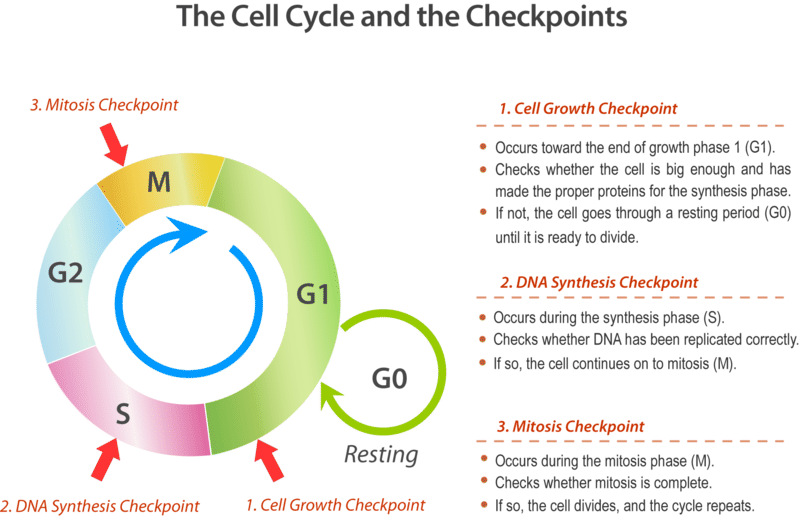 courses.lumenlearning.comcycle cell checkpoints biology mitosis phase division eukaryotic checkpoint g1 check during dna which control three g0 growth if regulation
Draw A Neat Labelled Diagram Of Cell Cycle Class 11 Biology CBSE
www.vedantu.comcell labelled
Introduction To The Cell Cycle | Biology For Majors I
 courses.lumenlearning.comcell cycle diagram mitosis biology dna figure interphase phase g2 g1 division stages during cells stage mitotic cytokinesis which each
Science Revision Notes: Biology Notes [CELL DIVISION & CELL CYCLE]
icse-science-notes.blogspot.comcycle cell division notes anaphase telophase phases biology meiotic prophase metaphase second occurs first revision
G1 STAGE OF CELL CYCLE | INTERPHASE OF CELL CYCLE | CELL BIOLOGY - YouTube
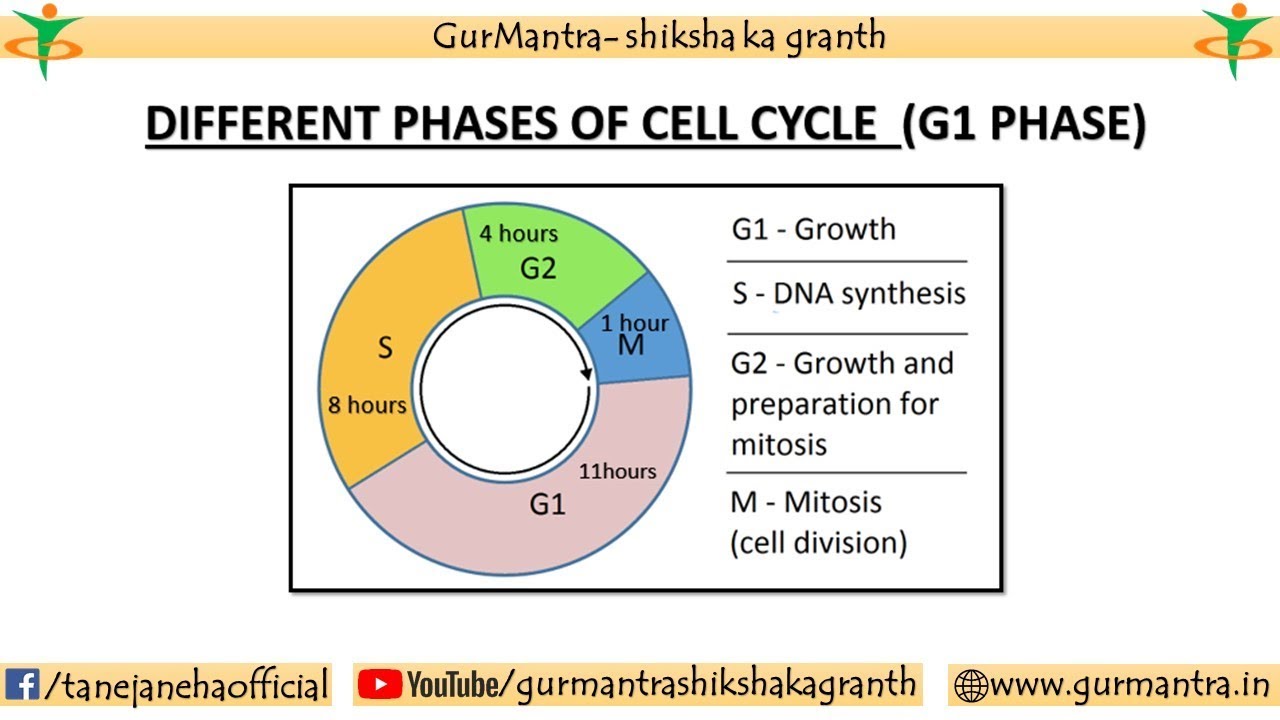 www.youtube.comg1 interphase stage
Science revision notes: biology notes [cell division & cell cycle]. Cycle cell checkpoints biology mitosis phase division eukaryotic checkpoint g1 check during dna which control three g0 growth if regulation. Cell cycle diagram mitosis biology dna figure interphase phase g2 g1 division stages during cells stage mitotic cytokinesis which each